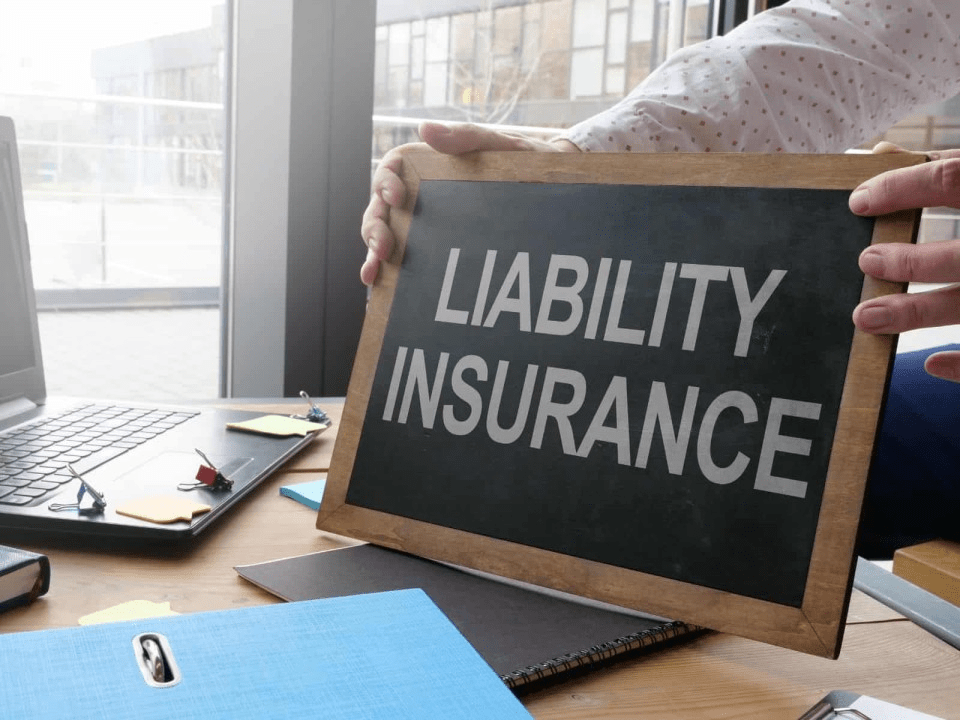
Every business faces some level of risk, which is why most businesses need liability insurance. This coverage liability insurance agency can help protect your business from claims, like malpractice or bodily injury, that could end in lawsuits or legal liabilities.
The level of coverage you need depends on the type of business you run, because every business has unique risks. A general liability insurance audit can help examine your business’ payroll and risk exposure to ensure you’re paying the correct amount for your insurance. For instance, construction businesses may need coverage with higher liability limits than retail stores. There are also different types of liability insurance coverage you’ll need to consider when looking for a policy.
The three main types of liability insurance coverage are:
General liability
Professional liability
Employer liability
General Liability
General liability insurance (GL) is often called:
Commercial general liability insurance (CGL)
Business liability insurance (BL)
It helps cover different types of general liability claims that your business caused bodily injury or property damage to others. It also covers reputational harm or errors in your advertising. It’s important to note that general liability insurance doesn’t cover property damage to your business or your employee’s property. A commercial property insurance policy helps cover those claims.
General Liability Insurance Examples
General liability helps protect you if someone accuses you of:
Bodily injury and property damages
Reputational harm
Advertising errors
Liability Insurance ExampleBodily injury includes any injury to a third party, like a customer or client, that happens at your business. For example, if a customer enters your flower shop, slips on your wet floor and breaks their leg, your general liability insurance can help cover the cost of their medical bills.
General liability insurance does not cover your business’s employees. Instead, they’re covered by your workers’ compensation insurance policy, a type of employer liability insurance.
Property damage includes any damage you or your employees cause to a third-party’s property. For example, if your landscaping company’s mower kicks up rocks that break a customer’s window, general liability would help cover the costs to repair the damage.
Reputational harm means another business is accusing your business of negatively impacting their reputation. Let’s say your workers compare your product to a competitor’s product during an event. When your competitor finds out, they file a lawsuit against your business. In cases like this, general liability can help cover your legal defense costs.
Some other examples of reputational harm include:
Malicious prosecution
Libel
Slander
Wrongful eviction
Violation of privacy
Advertising errors involve liability claims of copyright infringement. If your marketing business use a copyrighted photo in an ad without permission, general liability insurance can help cover your legal defense.
You can get general liability coverage from private insurance companies, like The Hartford. Our specialists are available at 855-829-1683 and can help you figure out the types of insurance your business needs. You can learn more by getting a small business insurance quote.
Professional Liability
Professional liability insurance (PL), also known as errors and omissions insurance (E&O), helps cover claims that your business made errors in the services you provided. For instance, if your client claims you gave them inaccurate financial advice and sues you because they lost money, E&O insurance can help cover your legal defense costs.
Professional liability can also help cover claims alleging:
Negligence
Misrepresentation
Violation of good faith and fair dealing
Most businesses need professional liability insurance, especially if you provide professional services to customers.

